
Emerging Mortgage Frauds: Why the Threat Is Bigger Than Ever
- Al Pitzner, CMCP

- Jul 18, 2025
- 3 min read
Updated: Aug 12, 2025
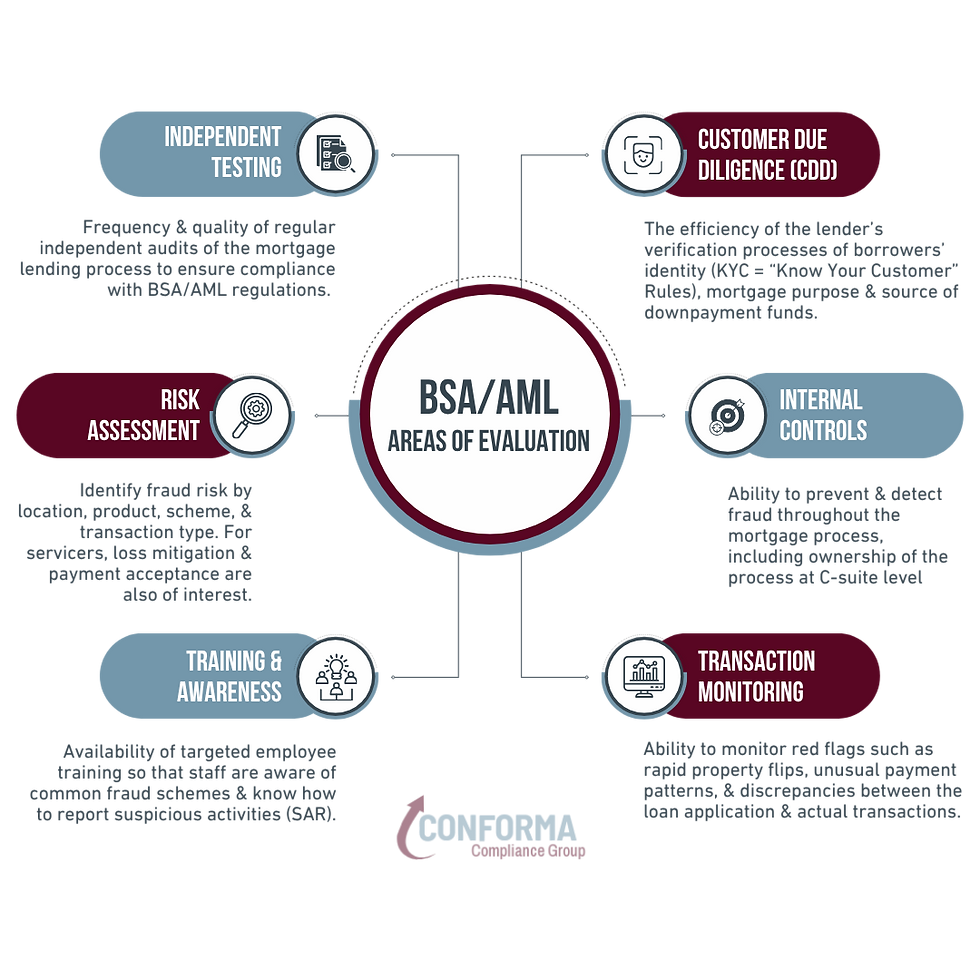
While understanding the fundamentals of BSA/AML programs is essential to resiliency and reputational management, it’s important to acknowledge that fraud is evolving.
Here are several of the emerging mortgage fraud schemes that are gaining traction in today’s mortgage market. Each exploits new technologies or gaps in remote processes, making vigilance critical. A modern BSA/AML review must consider them as well.
Synthetic Identity Fraud: Fraudsters create entirely new identities by blending real and fabricated data to open mortgage accounts that appear legitimate. These “synthetic borrowers” often slip through traditional verification channels until default, leaving lenders with substantial write-offs and investigations delayed by identity complexities.
Wire Transfer Fraud: Also known as business email compromise, this scheme involves intercepting or spoofing lender or title company wiring instructions. Thieves reroute closing funds to unauthorized accounts, often moving money through mule networks before it can be traced or recovered.
Bot-Driven Application Fraud: Automated bots scour online mortgage portals, mass-submitting applications with stolen or synthetic credentials. By firing off dozens (sometimes hundreds) of applications in minutes, fraud rings overwhelm manual review processes and slip fraudulent loans into the pipeline.
Occupancy Misrepresentation and Rental Flip Schemes: Borrowers or insiders falsely claim owner-occupancy to secure lower rates, then convert properties into rentals or sell them quickly (“flip”) for illicit profit. This mischaracterization can distort underwriting risk and is increasingly hard to detect amid remote closings.
Collusion and Appraisal Tampering Rings: Small groups of appraisers, loan officers, realtors, and borrowers work together to inflate valuations. They may submit bogus comparables or alter inspection reports to justify higher loan amounts, defrauding investors and secondary market purchasers.
AI-Enabled Document Falsification and Deepfakes: Emerging tools allow fraudsters to generate realistic fake IDs, pay stubs, and even video calls for virtual closings. Deepfake voice or face technology can impersonate borrowers or notaries to rubber-stamp fraudulent deals.
Remote Online Notarization (RON) Exploits: While RON expands access, lax platform security or weak identity proofing can let impostors notarize documents virtually. Fraudsters exploit this by forging notarizations on fraudulent loan packages without in-person checks.
A robust BSA/AML program remains critical to help you protect against fraud and drive sustainable growth. Investing in expert reviews from a trusted provider gives the assurance and strategic advantage much needed in today's difficult and competitive market.
What to Watch For: 5 Signs You’re Being Targeted
Our team has worked alongside mortgage lenders across the country to help them stay ahead of the curve, monitor emerging threats and spot red flags before they become losses.
Based on our team’s experience, below are five key warning signs that someone may be trying to scam your mortgage business. And here's a handout with the same information to print or email to your teams.
Unverifiable or Inconsistent Information
Gaps in employment, mismatched SSNs, or discrepancies between documents and credit reports may indicate identity theft or falsified borrower data.
Rushed Timelines with Pressure Tactics
Fraudsters often push for expedited closings or bypassing standard verification steps, hoping to slip through unnoticed before red flags surface.
Unusual Third-Party Involvement
Be cautious when a transaction involves a party who doesn’t seem to have a clear role, such as a "family friend" handling documentation or a seller with an unfamiliar power of attorney.
Too-Good-To-Be-True Documentation
Perfect pay stubs, polished bank statements, or employer letters that seem “off” in tone or format often signal synthetic or manipulated documents.
High-Risk Geographies or Patterns
Repeated transactions in fraud-prone areas, or a spike in volume from unfamiliar sources, could suggest organized fraud rings at work.
Stay Vigilant, and Don’t Go It Alone
Fraudsters don’t wait for a convenient time to strike. Whether you’re a small shop or a large lender, no mortgage operation is immune. The best defense is a proactive one built on sharp processes, trained eyes, and a trusted partner who knows how fraud works from the inside out.
If you’re unsure whether your current fraud prevention practices are enough, or just want a second set of eyes, we’re here to help. Contact us today.


Comments